Jabuticaba Embroidery Design Review
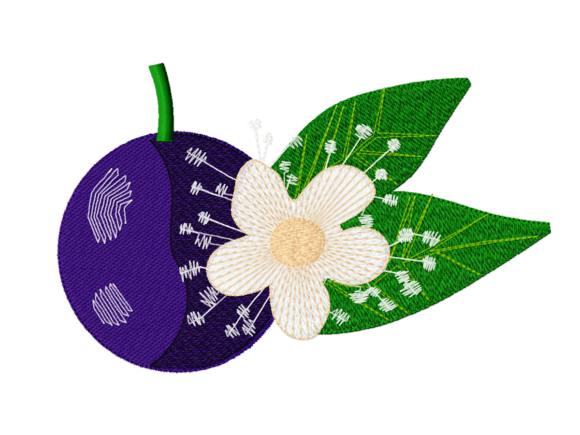
As an embroidery designer who has spent countless weekends standing behind craft fair tables, I have learned that the difference between a browser and a buyer often comes down to visual impact and perceived quality. When I first loaded the Jabuticaba Embroidery Design with Flower into my digitizing software, I was immediately struck by its potential as a standout craft fair product. This is not just another generic floral motif; it is a specific, botanical illustration that tells a story. For those of us running small shops or selling on Etsy, finding unique subjects like the Jabuticaba fruit—a deep purple Brazilian grape-like fruit that grows directly on tree trunks—offers a refreshing departure from standard roses and sunflowers.
First Impressions and Aesthetic Appeal
The initial glance at this design suggests a blend of rustic charm and modern botanical elegance. The combination of the detailed purple fruit, delicate white flower, and vibrant green leaves creates a balanced color palette that feels organic and premium. In the context of Single Flowers categories, this design stands out because it offers more than just a bloom; it provides a complete narrative of the plant’s life cycle. For boutique makers, this aesthetic fits perfectly into the current trend of nature-inspired, educational, and slightly exotic home decor. It feels less like a mass-produced item and more like a curated piece of art, which is exactly what handmade buyers are looking for.
Product Versatility for Market Sellers
When preparing my booth display, I always ask: where does this design live best? The Jabuticaba Embroidery Design with Flower is remarkably versatile. I tested it mentally against several key products:
- Tote Bags: This is perhaps the strongest contender. A large hoop placement on a natural canvas tote allows the vibrant greens and purples to pop. It transforms a simple bag into a statement piece for grocery runs or library visits.
- Aprons and Tea Towels: For kitchen linen, the design adds a touch of whimsy. However, placement is key. On an apron, it works well as a chest pocket accent. For tea towel embroidery, ensure the design is scaled correctly so the details do not get lost in the terry cloth texture.
- Embroidered Patches: Creating iron-on patches is a fantastic way to offer lower-priced items. The distinct outline of the fruit and flower makes for a clean, durable patch that customers can apply to jackets or backpacks later.
- Caps and Hats: While possible, curved surfaces require careful attention. The density of the purple fruit needs to be managed to prevent puckering on the front panel of a cap.
For Etsy sellers and digital creators, this design also serves as excellent content for printable mockup listings. Showing the design on various backgrounds helps customers visualize the final result, increasing conversion rates for your digital embroidery file.
Production Practicality and Stitch Quality
From a production standpoint, efficiency is vital when creating inventory for a weekend market. This design appears to strike a good balance between detail and stitch count. However, as experienced makers know, we must look closer at the technical requirements. The "detailed purple fruit" implies a potentially high stitch density to achieve that rich, solid color. When producing batch items, such as a dozen tote bags, you must ensure your machine can handle the thread tension consistently across all units.
The contrast between the white flower and the dark purple fruit is visually striking, but it demands precision. Any thread breaks or misalignments will be highly visible. Therefore, this design is best suited for makers who have dialed in their machine maintenance. It is not necessarily a beginner-friendly "quick stitch," but rather a finished product that showcases high-quality craftsmanship. The vibrant green leaves likely use satin stitches or fine fill stitches, which require smooth fabric to look crisp.
Careful-Use Notes for Best Results
To ensure your handmade product looks professional, consider these critical factors before hitting the start button:
- Fabric Texture: Avoid highly textured fabrics like heavy waffle weave for this specific design. The tiny details of the white flower may sink into deep piles, losing clarity. Smooth cotton, linen, or canvas works best.
- Stabilizer Choice: Given the density of the fruit, a cut-away stabilizer is recommended for stretchy fabrics like tote bags to prevent distortion over time. For woven fabrics like tea towels, a tear-away might suffice if the design is not too dense.
- Thread Colors: Do not skimp on thread quality. The purple needs to be deep and rich, not washed out. Use a high-sheen rayon or polyester thread to make the fruit look juicy and vibrant.
- Size Constraints: If scaling down for small pouches or pockets, test the smallest size first. The delicate white flower petals may merge if the design is reduced too much, losing the definition that makes it beautiful.
Boosting Brand Consistency and Sales
Incorporating the Jabuticaba Embroidery Design with Flower into your lineup can strengthen your brand identity as a seller of unique, nature-focused goods. It signals to customers that you curate your design assets carefully. When displayed in a booth, group these items together. A cluster of Jabuticaba-themed items creates a cohesive visual block that draws the eye from across the aisle. This thematic consistency helps in building a memorable brand, encouraging customers to return for future collections.
Furthermore, this design supports higher price points. Because it is not a common clip-art style image, it feels exclusive. Customers are often willing to pay more for commercial embroidery that features unique botanical subjects they cannot find at big-box stores. It elevates the perceived value of a simple tote bag or pillow cover into a piece of wearable or usable art.
Final Designer Recommendations
Before committing to full production, always follow the golden rule of embroidery: test on scrap fabric. Run the design on the exact material you plan to sell. Check the back of the embroidery for excessive buildup or loose threads. Verify the hoop size compatibility with your machine, as larger designs may require re-hooping if your machine has a limited field. Additionally, always confirm the licensing terms of the embroidery file. Ensure you have the rights for commercial embroidery if you plan to sell physical goods made with this design.
In conclusion, the Jabuticaba Embroidery Design with Flower is a strong candidate for any maker looking to expand their small shop product line with something distinctive. It balances aesthetic beauty with practical application, offering a fresh take on floral embroidery that appeals to modern, nature-loving consumers. With careful attention to stitch density and fabric choice, this design can become a bestseller in your next craft fair lineup.