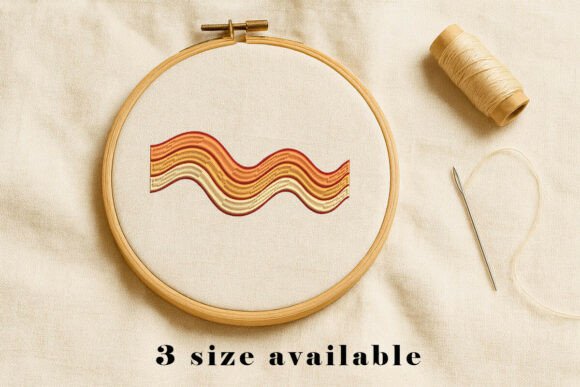
Bacon Strip Embroidery Design Review for Merch
As an embroidery designer who has spent years digitizing files and consulting with small business owners, I approach every new machine embroidery design with a critical eye. It is not just about whether the image looks cute on a screen; it is about how that design translates to fabric, how it holds up in production, and ultimately, how it serves the brand identity of the client. Recently, I had the opportunity to review the Bacon Strip Embroidery Design, a playful addition to the Food category that promises to add a splash of color and personality to various textile products. Here is my professional assessment of its potential for commercial use.
First Impressions: Visual Personality and Appeal
The first thing that strikes you about this design is its inherent friendliness. The wavy structure of the bacon strip, combined with layered stitch textures, creates a sense of movement and warmth. It does not feel rigid or overly corporate. Instead, it leans heavily into a rustic, handmade aesthetic that resonates well with modern consumers who value authenticity. For businesses in the culinary sector, such as boutique bakeries, breakfast cafes, or artisanal food brands, this visual language is perfect. It signals comfort and indulgence without being messy.
The use of color is crucial here. The description highlights a "fun and colorful" approach, which suggests a vibrant thread palette. In a retail environment, these bright tones can act as a visual hook, drawing the eye to a tote bag or a cap. However, from a design perspective, the success of this appeal relies on the balance between the reds, browns, and whites of the bacon. If the contrast is too low, the design loses its definition. If it is too high, it might look cartoonish rather than stylized. The layered texture mentioned in the product description is a smart choice, as it adds depth that flat prints often lack, giving the finished product a premium, tactile quality.
Real-World Application for Small Business Merch
When considering where to place this design, versatility is key. I see the Bacon Strip Embroidery Design performing exceptionally well as a chest logo accent on staff uniforms. For a cafe or diner, having this embroidered on polo shirts or aprons creates immediate brand recognition. It is subtle enough to be professional but distinct enough to be memorable. The apron embroidery application is particularly strong because the fabric weight of an apron can support the stitch density required for layered textures without puckering.
Beyond uniforms, this design is a strong candidate for small business merch. Think of tote bags sold at a farmers' market or a local food festival. A tote bag design featuring this bacon strip could become a walking advertisement for the brand. It also works beautifully on caps. Cap embroidery requires designs that are compact and bold, and the wavy shape of the bacon fits well within the curved constraints of a hat front, provided the size is adjusted correctly. For Etsy sellers and crafters, this design can be used to create unique embroidered patch products. Patches are low-risk items for customers to buy, allowing them to test the brand vibe before committing to larger apparel purchases.
Navigating Production Challenges
While the design is charming, there are technical considerations that any embroidery shop must address. The "layered stitch textures" imply a certain level of complexity. This means paying close attention to stitch density. If the density is too high, the fabric may pucker, especially on lighter materials like baby t-shirts or thin polos. Conversely, if the density is too low, the underlying fabric might show through, ruining the vibrancy of the thread colors.
Placement on curved surfaces, such as caps or sleeves, requires careful hooping. You must ensure that the design does not distort when pulled tight in the hoop. Additionally, for items that undergo frequent washing, such as work shirts or kitchen aprons, the stability of the stitches is paramount. I recommend using a cut-away stabilizer for these applications to prevent the design from shifting or tearing over time. Always test the design on the actual fabric texture you intend to use. A design that looks crisp on cotton twill might behave differently on a polyester blend or a textured canvas tote.
Enhancing Brand Identity and Customer Trust
In the world of custom apparel and branded goods, consistency builds trust. Using a high-quality digital embroidery file like this one helps maintain a cohesive look across all touchpoints. When a customer sees the same well-executed bacon motif on a napkin, a shirt, and a patch, it reinforces the brand's attention to detail. This perceived quality increases the perceived value of the handmade product. Customers are often willing to pay more for items that feature embroidery rather than print, as it suggests durability and craftsmanship.
Furthermore, this design supports engagement. Playful designs invite interaction. A customer is more likely to take a photo of a quirky bacon patch on their bag and share it on social media than they are with a plain text logo. This organic marketing is invaluable for small businesses. By integrating this design into your design assets, you are not just selling a product; you are selling an experience and a lifestyle associated with good food and fun.
Practical Designer Notes for Implementation
Before running a full production batch, I advise taking several preparatory steps. First, create a printable mockup to visualize how the design sits on different garments. Check the scale carefully. What looks good on a large tote might be overwhelming on a baby t-shirt. Second, verify the hoop size requirements. Ensure your machine can accommodate the dimensions of the design without needing to re-hoop, which can lead to alignment issues.
It is also wise to test the design in black and white or monochrome first. This helps you evaluate the structural integrity of the digitizing without the distraction of color. If the shape holds up in single-color thread, it will likely succeed in full color. Finally, always confirm the commercial licensing terms. While many files come with standard licenses, it is crucial to ensure you have the right to use the embroidery file for commercial embroidery projects, especially if you are selling the finished goods rather than just using them for internal staff uniforms.
In conclusion, the Bacon Strip Embroidery Design is a versatile and engaging asset for food-related businesses and creative brands. With proper attention to stabilizer choice, stitch density, and placement, it can elevate your merchandise from simple promotional items to desirable fashion statements. By treating this design with the technical respect it deserves, you can leverage its playful charm to build a stronger, more recognizable brand presence in the marketplace.